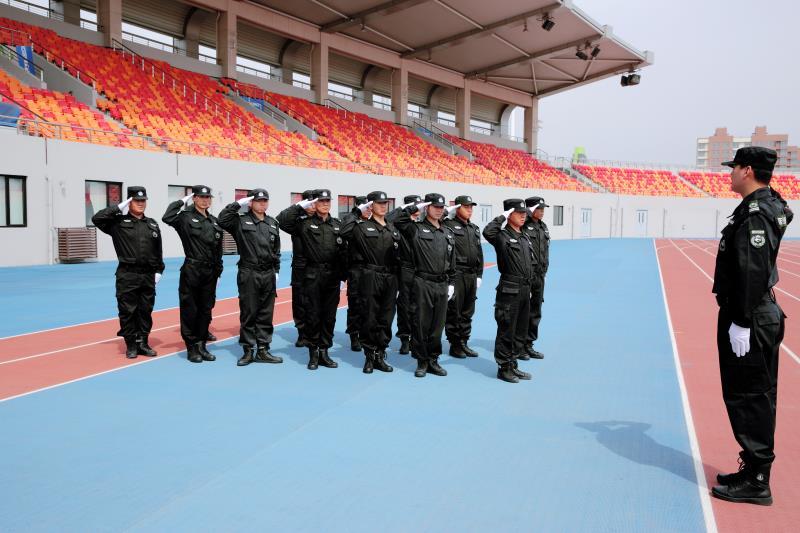


Tianjin Security Company: Regulations on Safety Management of Large Mass Activities
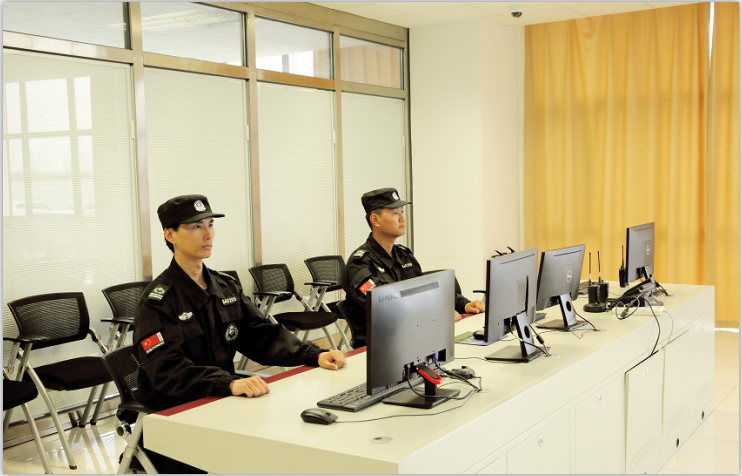
Order No. 505 of the State Council of the People's Republic of China The Regulations on the Safety Administration of Large-scale Mass Activities, which were adopted at the 190th executive meeting of the State Council on August 29, 2007, are hereby promulgated and shall come into force on October 1, 2007. Premier Wen Jiabao September 14, 2007 Regulations on the Safety Management of Large-scale Mass Activities Chapter I General Provisions Article 1 In order to strengthen the safety management of large-scale mass activities, protect the lives and property of citizens, and maintain public order
Check it out! Are you a good manager?
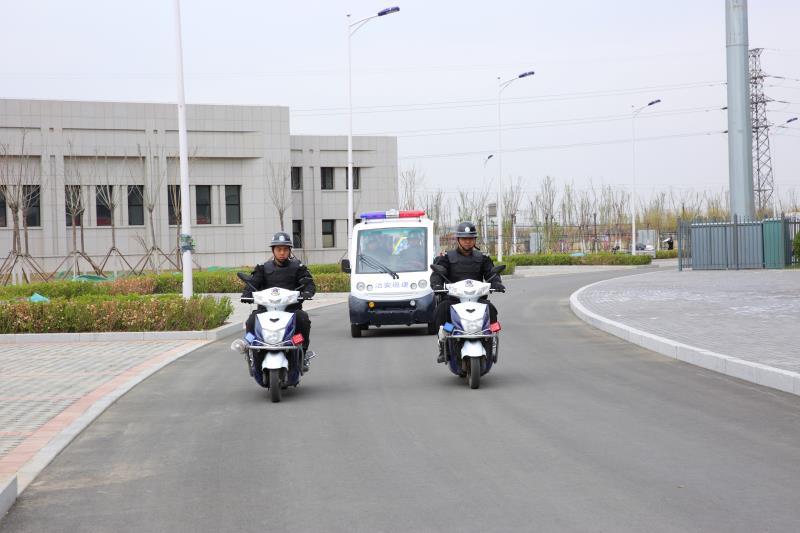
According to the development of contemporary security enterprises and the characteristics of security guards, what kind of managers do security guards need? What kind of excellent managers are in the eyes of security guards? In summary, there are four points: 1. managers should have an affinity to win the praise of security guards. In addition to skilled professional skills, there should be an affinity. How can we have affinity? The answer is, be a friend of the security guard. The relationship between managers and security guards should not only be a relationship between superiors and subordinates, but also a relationship of friends. We should respect security guards, take the initiative to make friends with security guards, and do not forget to study "management psychology" in our spare time, and analyze it from various angles.
Key points of security patrol work
Security patrol refers to a security service activity in which a security service company sends security personnel to patrol, inspect and alert the customer unit or a place or part of the customer unit according to the security service contract, so as to discover, correct and prevent various factors affecting internal security, so as to ensure the safety of the customer unit. The main characteristics of security patrol 1 activity. This is the most prominent feature of security patrols. In order to ensure the safety of customer units, security patrols often use walking or cycling methods to tour around relevant places, parts, and road sections to prevent various problems. 2. Initiative. Relative to door guard
The "five choices and five no choices" for 1. security patrols In security patrols, the choice of patrol environment, patrol area, patrol section, patrol bayonet, and the choice of basic conditions for residential areas and enterprises and institutions directly affect the work. Efficiency and effectiveness. 1, the patrol environment to choose black not to choose bright on the patrol environment, usually choose no lighting or relatively dark geographical environment. Why? Mainly because the selection of black crime has always been one of the characteristics of illegal crime. 2. The patrol area is quiet but not noisy. Usually, the area with relatively few pedestrians and no dogs is noisy is selected. 3, patrol section choose small not to choose
Information System Security Risk Assessment

1. why we need information systems security risk assessment It is clear that when we are very happy to accept and use a new technology to assist us in our security work, this technology must have a reason to drive us to use it. This reason is the main function of this technology in a certain security aspect, and we only use it for these main functions. For information system security risk assessment, we have roughly understood his definition at the beginning of this article, from its definition, we can understand that risk assessment can be in the life cycle of information systems.
Fire risk assessment and the related concepts involved in the process of fire risk assessment are: fire risk assessment: the process of evaluating the fire safety performance under the combined effect of the target object, the vulnerability of the protected object, the effectiveness of the risk control measures, the severity of the risk consequences and the above factors. Acceptable risk: The level of risk acceptable to the organization or the public under the current conditions of technological, economic and social development. Fire safety: In the event of a fire, possible damage to personal safety, property and the environment can be controlled below an acceptable risk. Fire